

Agricultural & Irrigation Wells
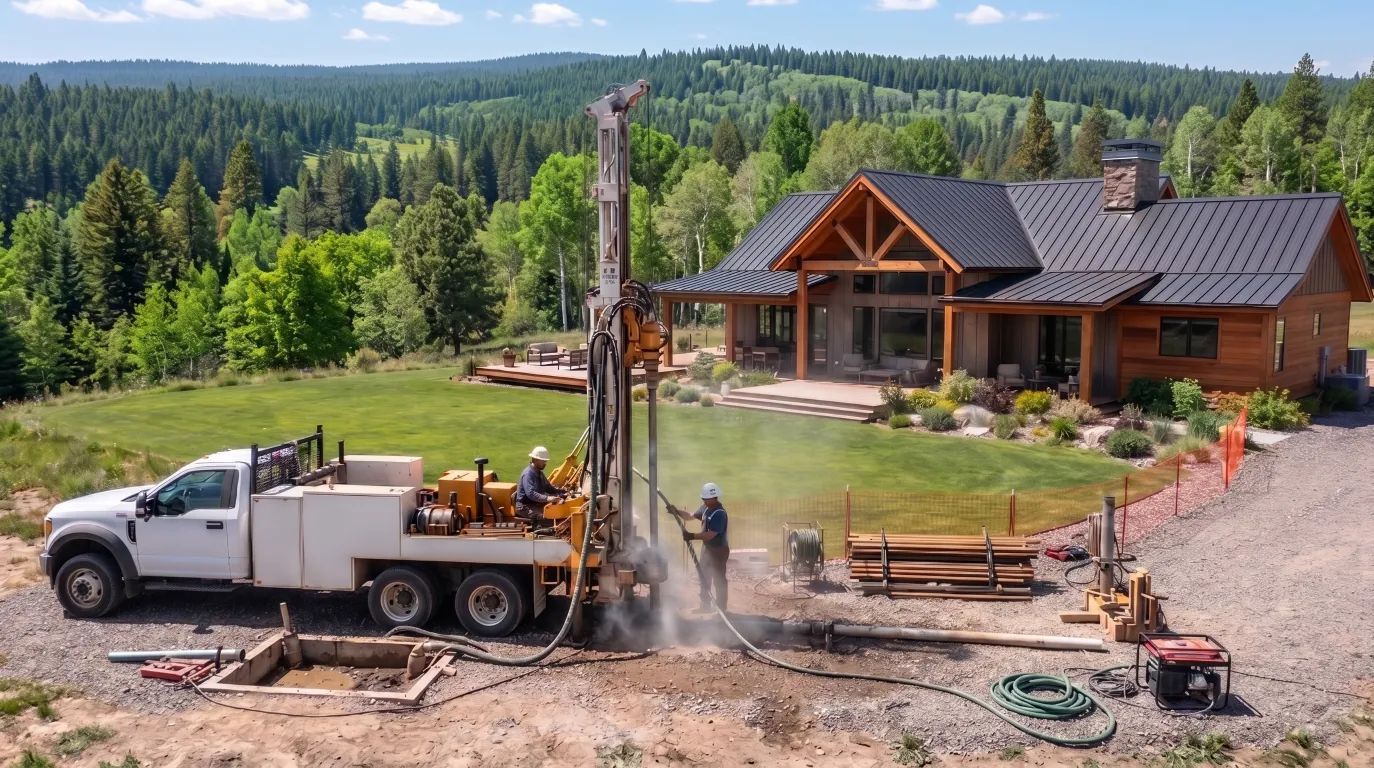
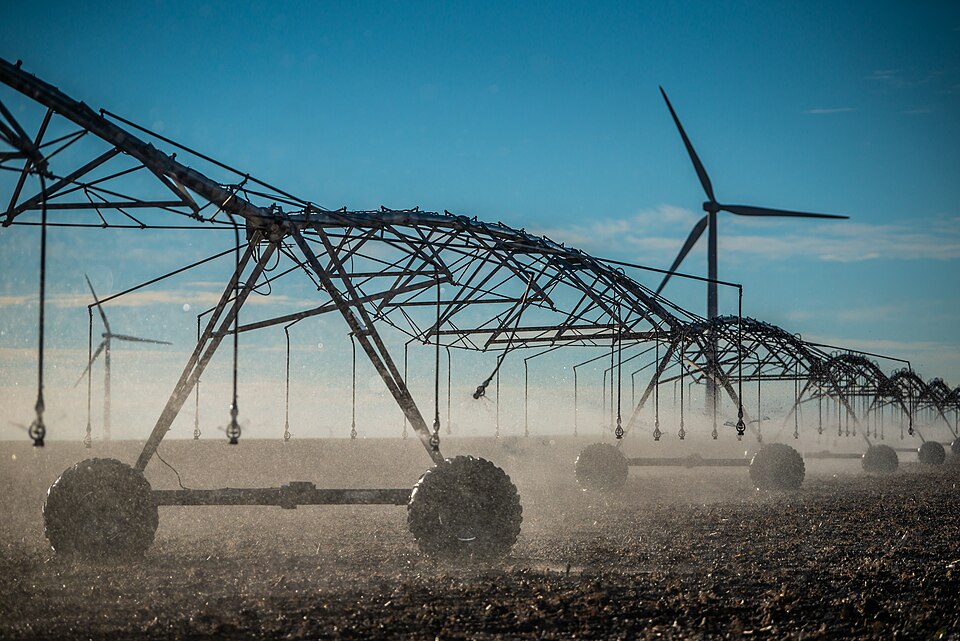
High-capacity agricultural well drilling and turbine pump installation across Lubbock, Lynn, Crosby, and Hockley counties. We install 8- to 16-inch welded steel casing, turbine pumps, and high-horsepower submersibles engineered for continuous center pivot operation in the Ogallala Aquifer.
Full spacing verification and district production permits.
Engineered gravel packs and continuous wire screens.
Heavy-wall welded steel casing for heavy agricultural drawdown.
Schedule an Agricultural Irrigation Rig Assessment
To secure an accurate project scope, please prepare your GPM target, crop type (cotton, sorghum, forage), pivot count, and HPWD tract confirmation details.
Request Irrigation Rig Assessment
Enter farm tract acreage, target GPM, and pivot specifications for High Plains agricultural drilling dispatch.
High-Volume Production Demands on the High Plains
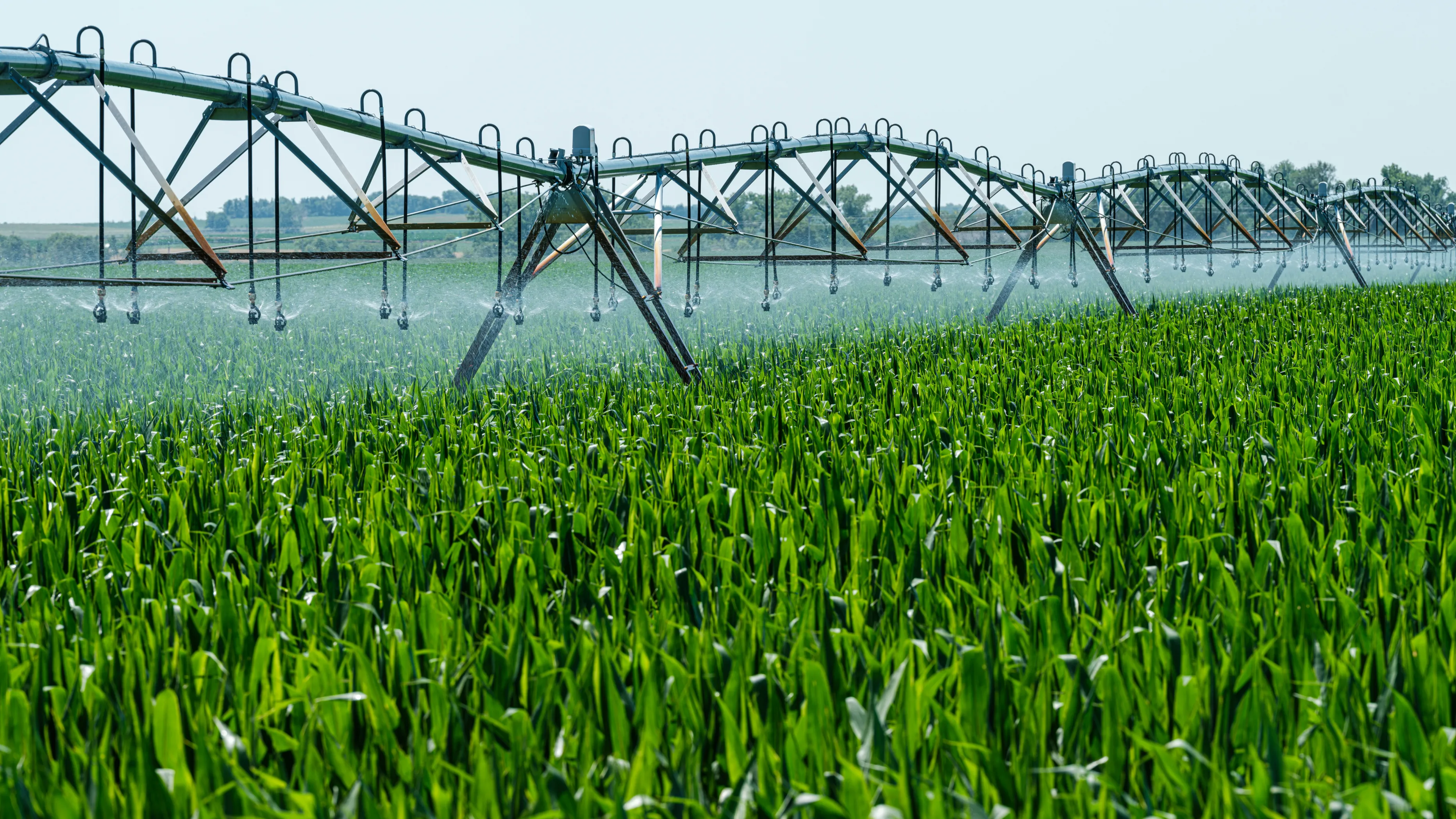
Pushing 800 gallons of water per minute across a quarter-section of cotton requires massive subterranean infrastructure. The Ogallala Aquifer underlying Lynn, Lubbock, Crosby, and Hockley Counties consists primarily of loose, unconsolidated sands, gravels, and clays that readily collapse if not handled with heavy industrial drilling techniques. Supplying a commercial center pivot irrigation system is a zero-margin operation. If a primary supply well drops pressure or pumps fine sand during the critical summer watering window, the crop stress translates directly to massive yield loss at harvest. We design, drill, and case high-capacity agricultural water wells capable of sustaining massive continuous drawdown cycles without compromising structural integrity or formation stability.
Before the rotary bit spuds in, agricultural operators must satisfy strict regional groundwater regulations. Navigating the High Plains Underground Water Conservation District (HPWD) Rule 8 spacing requirements dictates the physical layout of your water infrastructure. The HPWD enforces rigid setbacks to prevent localized aquifer depletion and overlapping cones of depression between neighboring farms. For a high-capacity irrigation well designed to push over 800 GPM, Rule 8 mandates a minimum 540-yard setback from existing registered wells. Smaller systems targeting 200 to 400 GPM require proportionally smaller spacing, but mapping these radii on a crowded Slaton or Abernathy farm grid requires precise GPS plotting. We assist farm operators with the HPWD tract confirmation and permitting process to ensure the drill site is fully legal and optimized for your underground irrigation trunk lines before we mobilize the heavy equipment.
Mud Rotary Drilling in Unconsolidated Formations
Drilling a large-diameter borehole—often 16 to 24 inches wide—through the High Plains caliche caprock and deep into the saturated Ogallala sands requires advanced mud rotary mechanics. You cannot drill a hole this large in loose sand with clear water or air; the raw dirt walls will immediately slough and collapse, trapping the drill string underground. We utilize heavy truck-mounted rotary rigs equipped with massive onboard mud pumps to circulate highly viscous drilling fluid down the hollow drill pipe.
This fluid, a specifically engineered mixture of fresh water, sodium bentonite clay, and long-chain polymers, serves three non-negotiable mechanical purposes:
The heavy mud exerts outward pressure against the formation, holding back the loose sand and gravel like a liquid retaining wall.
The viscosity of the fluid suspends the heavy cuttings generated by the drill bit and carries them vertically to the surface mud pit.
The bentonite plasters a thin, impermeable membrane along the raw borehole wall, preventing the drilling fluid from bleeding out into the porous aquifer.
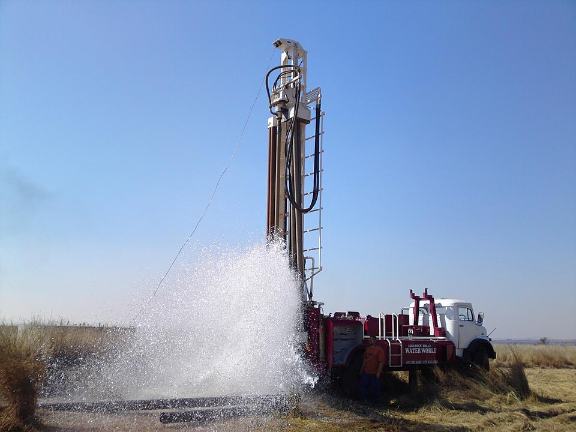
To maintain optimal fluid properties during a deep agricultural bore, we deploy active mud-cleaning systems on site. Rather than relying on simple gravity settling pits, we route the returning drilling fluid through mechanical shale shakers and hydrocyclone desanding cones. The shaker screens vibrate rapidly to separate coarse gravel and clay chunks from the fluid, while the high-velocity desanders spin the liquid to forcibly eject fine abrasive sand particles. Removing this abrasive grit prevents excessive wear on the rig's internal mud pump and ensures the borehole remains perfectly plumb and fully conditioned for the permanent casing string.
Heavy Steel Casing and Perforation Specifications
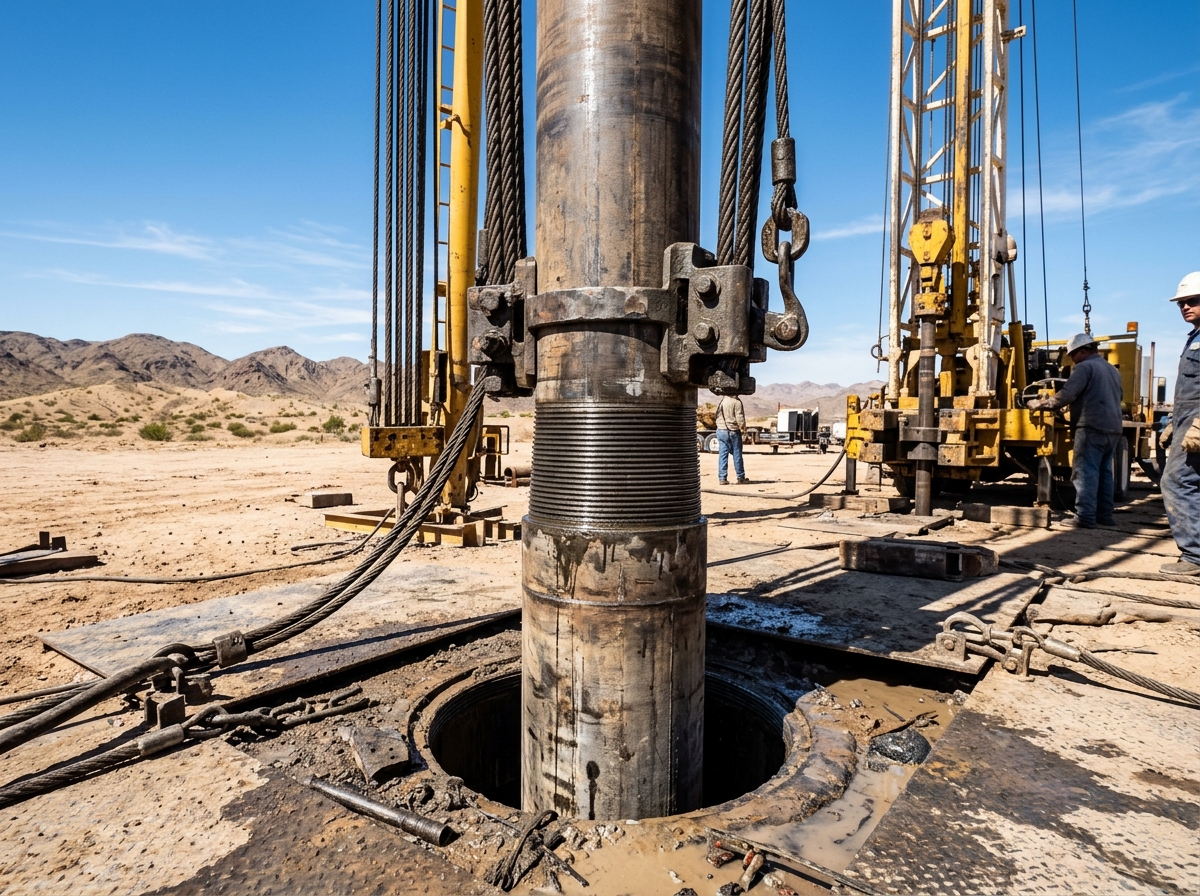
Large-volume agricultural wells require rigid, indestructible well casings to withstand decades of subterranean lateral pressure and the intense vibration of heavy line-shaft turbines. For commercial irrigation well drilling in Lubbock TX, we entirely bypass PVC in favor of heavy-wall welded steel casing. Depending on the engineered pump size and required water yield, we install steel casing strings ranging from 8-inch up to 16-inch diameters.
Installing a steel casing string is an intense, continuous mechanical operation. The rig hoists 20-foot to 40-foot lengths of heavy steel pipe into the derrick. As each joint is lowered into the mud-filled borehole, our crews stick-weld the connection. We bevel the edges, run a deep penetrating 6010 root pass to fuse the inner pipe wall, and finish with a heavy 7018 low-hydrogen cap pass. This continuous welding process ensures the massive column of steel holds together under its own immense weight while hanging suspended in the hole.
To allow groundwater to enter the well, the sections of casing positioned directly across the saturated Ogallala sands are heavily perforated. We utilize precision mill-slotted steel screens or engineered torch-cut perforations sized specifically to the natural formation gravel. Once the entire steel casing is welded and landed on the bedrock floor, we pump a massive volume of washed silica gravel pack down the annulus. This gravel envelope fills the void between the native dirt wall and the steel pipe, permanently locking the casing in place and serving as the primary mechanical filter to block fine silt from entering your irrigation pumps.
Line-Shaft Turbines and High-Horsepower Submersibles
Extracting high volumes of water demands massive mechanical force. Once the well is drilled, cased, gravel-packed, and thoroughly developed with compressed air to remove all residual drilling mud, we install the pumping equipment. Agricultural operations typically rely on two distinct pumping technologies, chosen based on total dynamic head, GPM requirements, and the static water level of the specific tract.
Vertical Line-Shaft Turbine Pumps
For maximum flow rates on High Plains farms, traditional line-shaft turbines remain the industry standard. These systems utilize a massive, three-phase electric hollow-shaft motor mounted squarely on the concrete surface pad at the wellhead. The motor spins a solid steel line-shaft that runs directly down the center of the vertical column pipe, connecting to a multi-stage bronze or cast-iron bowl assembly submerged deep in the water table.
- Mechanical Advantage: Because the motor remains on the surface, it is highly accessible for routine maintenance, oiling, and electrical diagnostics without pulling the entire well.
- Flow Capacity: Turbines are capable of moving extreme volumes of water (frequently exceeding 1,000 GPM) making them ideal for supplying multiple center pivot systems simultaneously.
- Column Construction: The steel column pipe is threaded together, enclosing the spinning shaft inside a heavy rubber bearing system lubricated directly by the water flow.
High-Horsepower Submersible Installations
As the Ogallala Aquifer levels fluctuate, some agricultural operators prefer massive high-horsepower submersible pumps. Unlike surface turbines, a commercial submersible unit features a massive 6-inch or 8-inch motor bolted directly below the pump wet-end, completely submerged hundreds of feet down the casing.
- Cooling Mechanics: These high-voltage motors generate intense heat and rely entirely on the rapid flow of groundwater passing over the motor housing to prevent thermal destruction. We carefully calculate the casing diameter against the motor diameter to ensure adequate flow velocity for continuous cooling.
- Electrical Delivery: Powering a 50-horsepower or 100-horsepower motor underground requires extremely heavy-gauge copper pump wire, spliced with industrial heat-shrink resins to prevent dead shorts in the water column.
- Operational Flexibility: Submersibles eliminate the surface noise and heavy vertical shaft vibration associated with turbines, and they are immune to above-ground freezing conditions during early spring pre-watering.
Whether we are installing a heavy vertical turbine for an Idalou cotton farm or replacing a massive submersible pump to keep a Tahoka pivot moving in mid-July, we match the equipment directly to the verified drawdown capacity of your borehole.
Speak With an Irrigation Drilling Engineer
Contact our field office to coordinate tract confirmation, Rule 8 spacing plots, and emergency seasonal turbine or submersible pump dispatch.